
Tracking Lost Sales
The most dangerous parts number is the one that never gets recorded — the sale you couldn’t make because the part wasn’t there. It leaves no trace in the system, so a department can be losing steady business to stockouts and never see it, because the data only shows what sold, not what walked.
The invisible number
When a customer asks for a part you don’t have and they go elsewhere, nothing about that appears in sales history — the system records sales, not the demand it failed to meet. So the stocking math, built on what sold, keeps under-stocking the very parts that keep walking out the door, and the department looks fine on paper while quietly bleeding business. Lost-sales tracking makes that invisible demand visible.
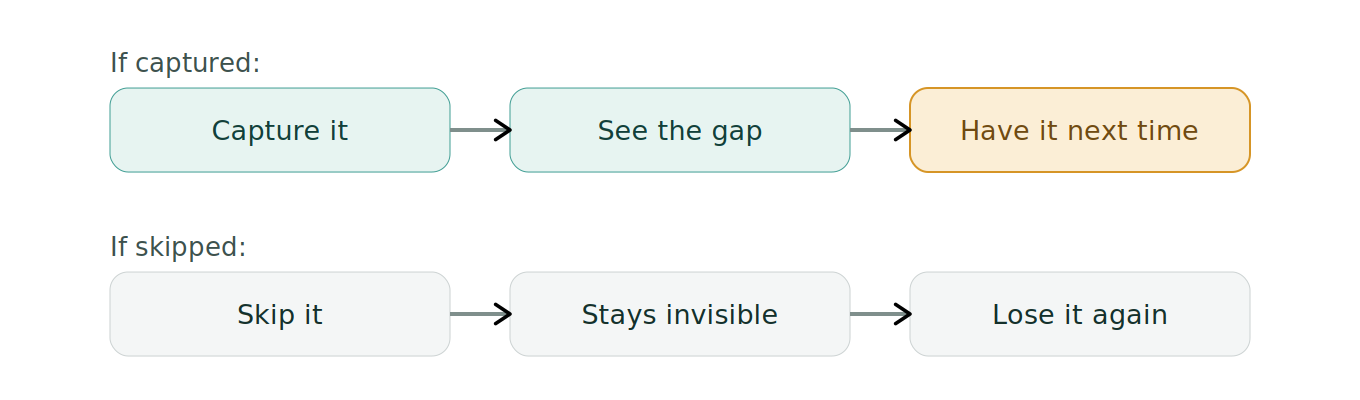
Capture it at the counter
The fix is a habit: when a part isn’t available, log the lost sale — what was asked for, that it wasn’t in stock, whether the customer waited or walked. It takes seconds and turns an invisible loss into a stocking signal. A part showing up repeatedly in lost sales is a part that should probably be stocked, and now the data says so instead of the customer’s absence saying nothing.
Feed it back into stocking
Reviewed regularly, lost sales correct the stocking blind spot — adding fast-enough-to-matter parts to stock, catching a rising demand the sales history lags on, and distinguishing a part worth stocking from a genuine one-off. Without it, the department only ever learns from what it already carries.
Where it goes wrong
- Not recording lost sales and leaving the demand invisible.
- Trusting sales history that only shows what was in stock.
- Repeatedly stocking out on the same part without acting.
- Never reviewing lost sales to adjust stocking.
Related
Inventory basics · Inventory health: turns and fill rate · Forecasting parts demand · Serving the counter.